FUNGUS testing: resistance of materials and equipment to mould growth
Assess how well your products resist fungal contamination
The Emitech Group performs FUNGUS testing, or mould resistance testing, in accordance with RTCA DO-160, Section 13, and MIL-STD-810, Method 508. These tests assess how susceptible materials and equipment are to fungal growth and, depending on the test programme, its effects on their properties or operation.
Why perform FUNGUS testing?
Materials and equipment intended to be stored or used in hot and humid environments may be exposed to mould growth. FUNGUS testing assesses their behaviour under the conditions defined by the applicable standard or specification.
These tests make it possible to:
- Determine the extent to which materials, alone or in assemblies, support mould growth.
- Observe fungal growth under controlled conditions.
- Anticipate the impact of fungal growth on the operation of the equipment and the safety of its use.
Fungal strains tested and reference standards
FUNGUS tests are performed in accordance with the following reference standards:
RTCA DO-160, Section 13 - five fungal strains:
- Aspergillus niger ATCC 9642
- Aspergillus flavus ATCC 9643
- Aspergillus versicolor ATCC 11730
- Penicillium funiculosum ATCC 11797
- Chaetomium globosum ATCC 6205
MIL-STD-810, Method 508 - five fungal strains:
- Aspergillus brasiliensis ATCC 9642
- Aspergillus flavus ATCC 9643
- Trichoderma virens ATCC 9645
- Talaromyces pinophilus ATCC 11797
- Chaetomium globosum ATCC 6205
Strains ATCC 9642 and ATCC 11797 are common to both standards: only their names differ, following their taxonomic reclassification (Aspergillus niger → Aspergillus brasiliensis; Penicillium funiculosum → Talaromyces pinophilus).
The reference standard and test programme are defined according to the product, its conditions of use and the qualification requirements.
Our FUNGUS testing services

Aerospace & defence
Assessment of the fungal resistance of aerospace equipment in accordance with RTCA DO-160, Section 13, and of military equipment in accordance with MIL-STD-810, Method 508, as part of their qualification programme.

Automotive
Assessment of the mould resistance of automotive materials, components and equipment, according to carmakers’ requirements, their location in the vehicle and the intended conditions of use.

Naval & offshore
Assessment of the fungal resistance of materials and equipment intended for naval or offshore environments, according to the project requirements and the intended exposure conditions. For military naval equipment, MIL-STD-810, Method 508, may be included in the qualification programme.
Our testing capabilities and technical resources
Test equipment
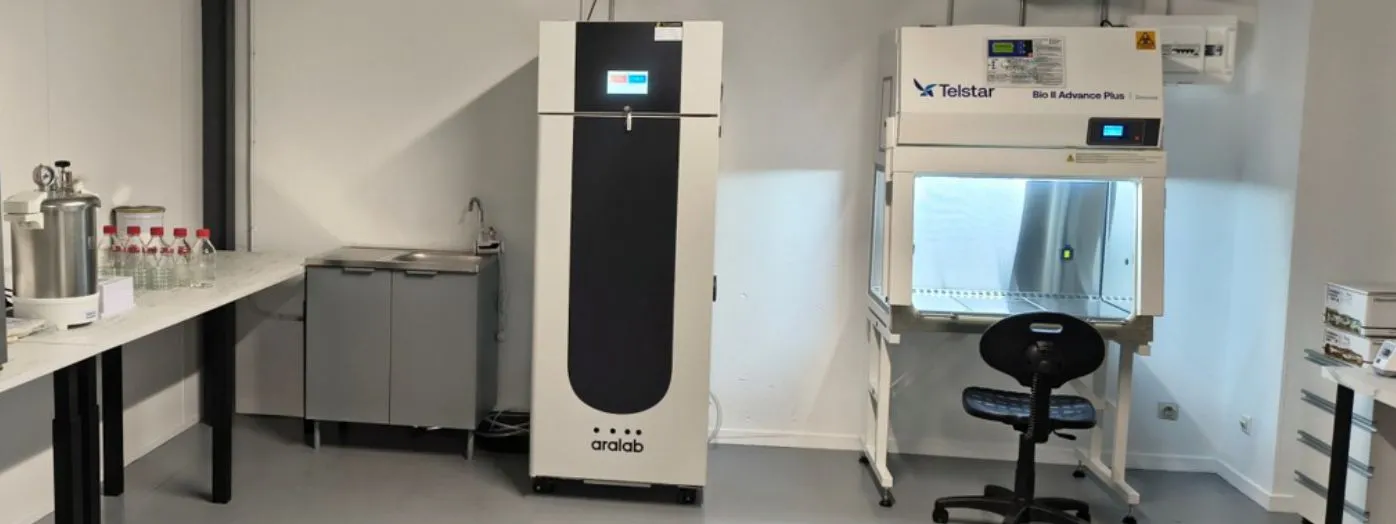
- Freezer for strain storage (-80 °C)
- Incubator for culture preparation (25 °C)
- Dedicated climatic chamber (30 °C, over 95% relative humidity, still air)
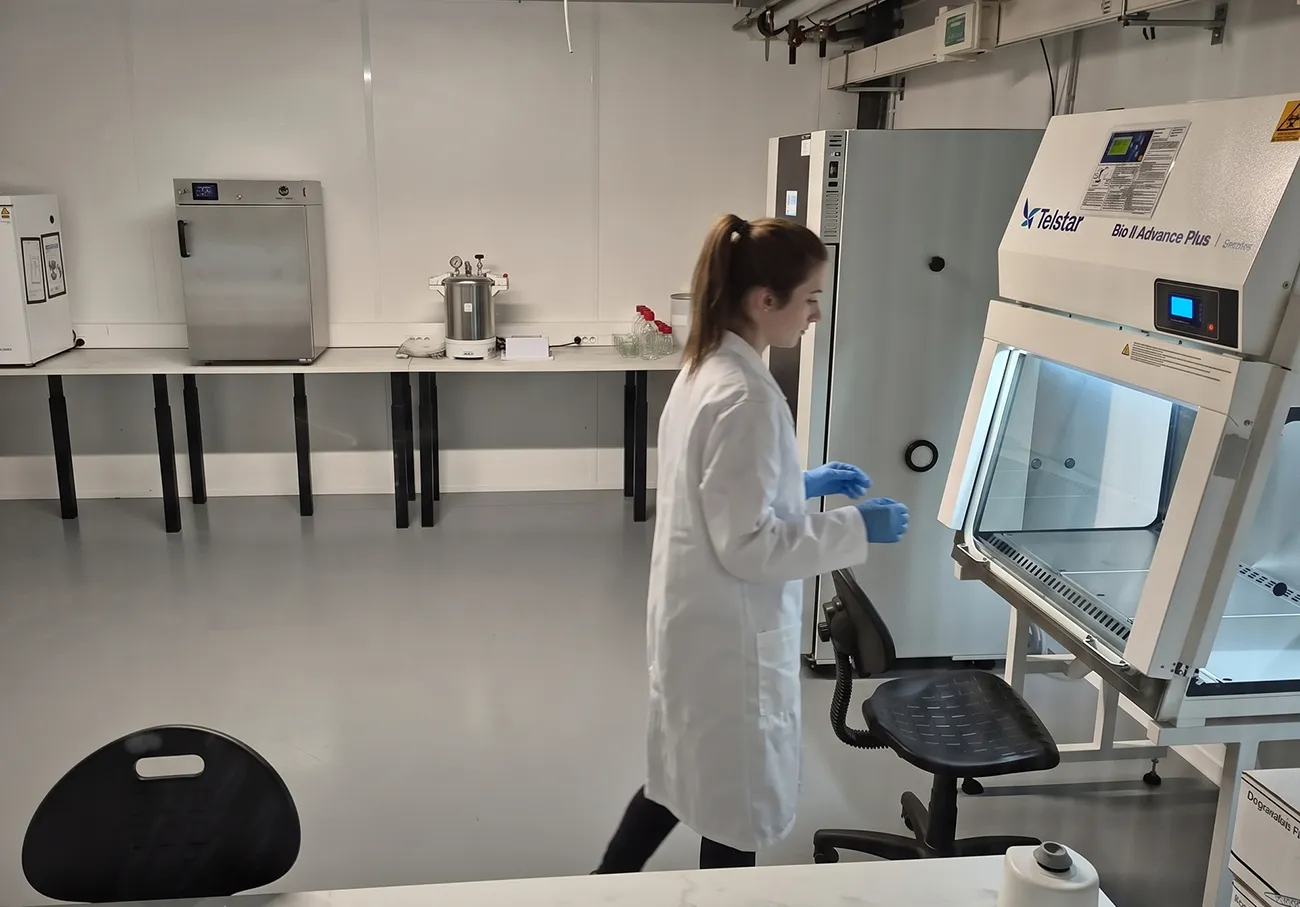
- Microbiological Safety Cabinet (MSC)
- Microscope and stereo microscope for observing fungal growth
Capacity and test programme
The laboratory can run several test campaigns in parallel.
The schedule is confirmed when the programme is defined, depending on the reference standard, the samples and the assessments required.
Talk to our FUNGUS testing experts
Standards applicable to FUNGUS testing
- RTCA DO-160, Section 13: Fungus resistance - airborne equipment
- MIL-STD-810, Method 508: Fungus resistance - military equipment
Integrating FUNGUS testing into product development
FUNGUS testing helps identify how susceptible materials and assemblies are to mould growth. The results can guide design choices and feed into the equipment qualification programme.
Our experts support you with:
- Analysing your project requirements and the applicable standards (DO-160, MIL-STD-810).
- Defining the programme and preparing the test campaign.
- Integrating FUNGUS testing into your qualification campaign, alongside the necessary climatic and physico-chemical tests: fluid susceptibility, corrosion or other environmental exposures.
Needs
Discover a selection of additional resources that explore topics related to this page including regulatory contexts, technical articles, and specific areas of expertise. These materials provide further insight to help you better understand the key challenges and available solutions.



Contact us for a quote
Need to qualify the mould resistance of your equipment? Contact our experts for a tailored solution.